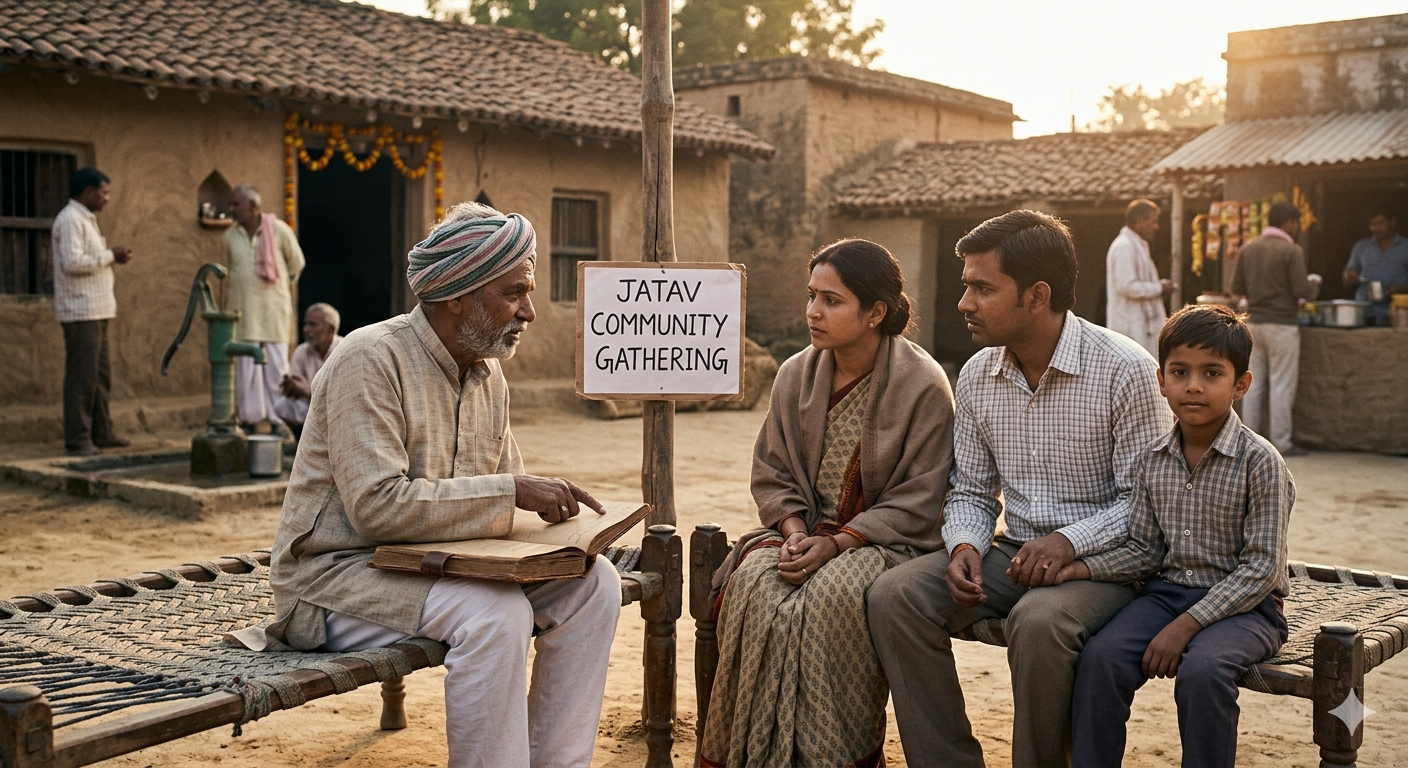
There is a Jatav caste can also be referred to by the names of Jatava, Jatan, and Jhusia. It is the Indian community is classified as SC. They are part of a larger category of Dalits and are part of that of the Chamar community. In the past, they were known for their leatherworking. However, later they adopted an era of form of “Jatav” in the 20th century, which claimed their Kshatriya status. They are primarily located in Agra or in the regions around and have been politically empowering under Dr. BR Ambedkar.
Facts to learn concerning Jatav. Jatav group!
Identity and origin!
- Their origins
They have been historically identified as a subgroup within the Chamar caste. The year 1931 was when they took the name Jatav for their initial nomenclature, Chamar. They claim that they are descendents of the Yadu Kshatriya dynasty, or Kshatriya ancestry.
- Geographical region
The community is spread across the northern part of India and has a greater concentration in the western part of Uttar Pradesh, especially in Agra.
- Category
This charter group is officially recognized as a scheduled caste in the Ministry of Social Justice and Empowerment in various states, including Uttar Pradesh, Haryana, Rajasthan, Delhi, and Punjab.
- Transformation of the workplace
Traditionally they were a part of working with leather. However, in the 20th century, a lot were able to move away from their traditional jobs in tanning leather. They’ve opted for jobs to improve their social standing like trading, manufacturing, and farming.
Their political and social influence!
The caste was initially linked to leather work however, as time went on, and with higher levels of mobilization it was a politically prominent and active Dalit community particularly located in Uttar Pradesh.
- Be aware of their mobility in the 20th century.
In the beginning of the 20th century in the early 20th century, the community began to adopt Sanskritisation. The community adopted it to increase their social standing. In the following years, they switched their attention to the political arena, proving their capability as a political participant.
- The political platform
The community was given a national platform thanks to the Bahujan Samaj Party (BSP). Kanshi Ram was the founder of the party, and it was later headed by Mayawati who became the very first Dalit CM of UP. Numerous new leaders have joined in to join the party including Chandrasekhar Azad, who seem attractive to those in the Jatav Youth.
In discussing the legislative influence that is the Jatav community In 1937 the Jatav caste won 20 percent of the total reserved seats. They became a significant voting bloc that mainstream parties are drawn to.
Jatav Evolution!
The Jatav community is among the most active and politically influential groups of Dalits which are located mostly within North India, including Uttar Pradesh, Rajasthan, and Haryana. The Jatav caste has been referred to by the Chamar community over the course of many years of campaigning for political change.
- the Kingmaker community of UP
They constitute the main base of the electoral system for BSP within Indian politics, particularly the state of Uttar Pradesh.
- Transformation of the workplace
Since they were associated with the work of leather at one point However, they’ve left their previous jobs and are found in a variety of sectors, including post in the government, authority posts and business, trade manufacturing, and in almost all other industries.
Additionally, the caste has greatly increased its literacy and is now proficient at various positions.
Conclusion!
In the final analysis, Jatav has successfully transformed from a traditionally marginalized occupation into a thriving, political and social improving community. Through urbanization, education, and mobilization, with the help from the Dr. B.R. Ambedkar The Ambedkars have boosted their social standing and are working in all sectors of the field.