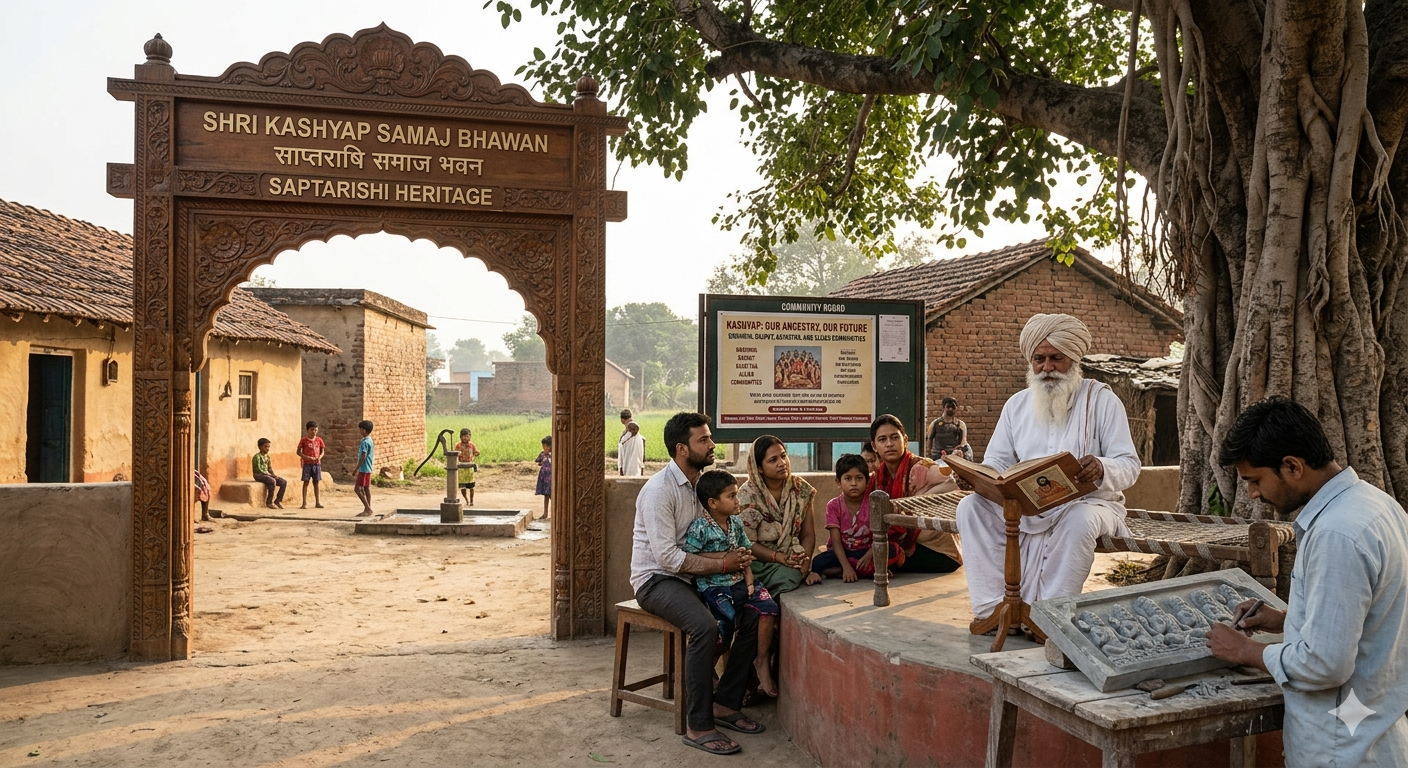
At one time with its rich and varied background it was believed that the Kashyap caste was among the most influential of all Hindu society. Through its ties with Rishi Kashyap the Kashyap community has spread throughout North India. Rishi Kashyap was a Saptarishis. At one time, the community was connected to the Brahmin and then later with the Rajputs.
Check out the most important features that comprise Kashyap the Caste
- Origins linked to Rishi Kashyap: The name Kashyap originates from Rishi Kashyap who was an ancient Vedic saint mentioned in numerous Hindu texts. The Rishi is thought to be the ancestor of many species which includes humans, gods demons, gods, and others.
- Structure of social relations:Although Kashyap was traditionally an Brahminical clan, a number of communities have adopted the name making use of Sanskritisation to boost their social standing. Thus, the clan system is being used by other communities.
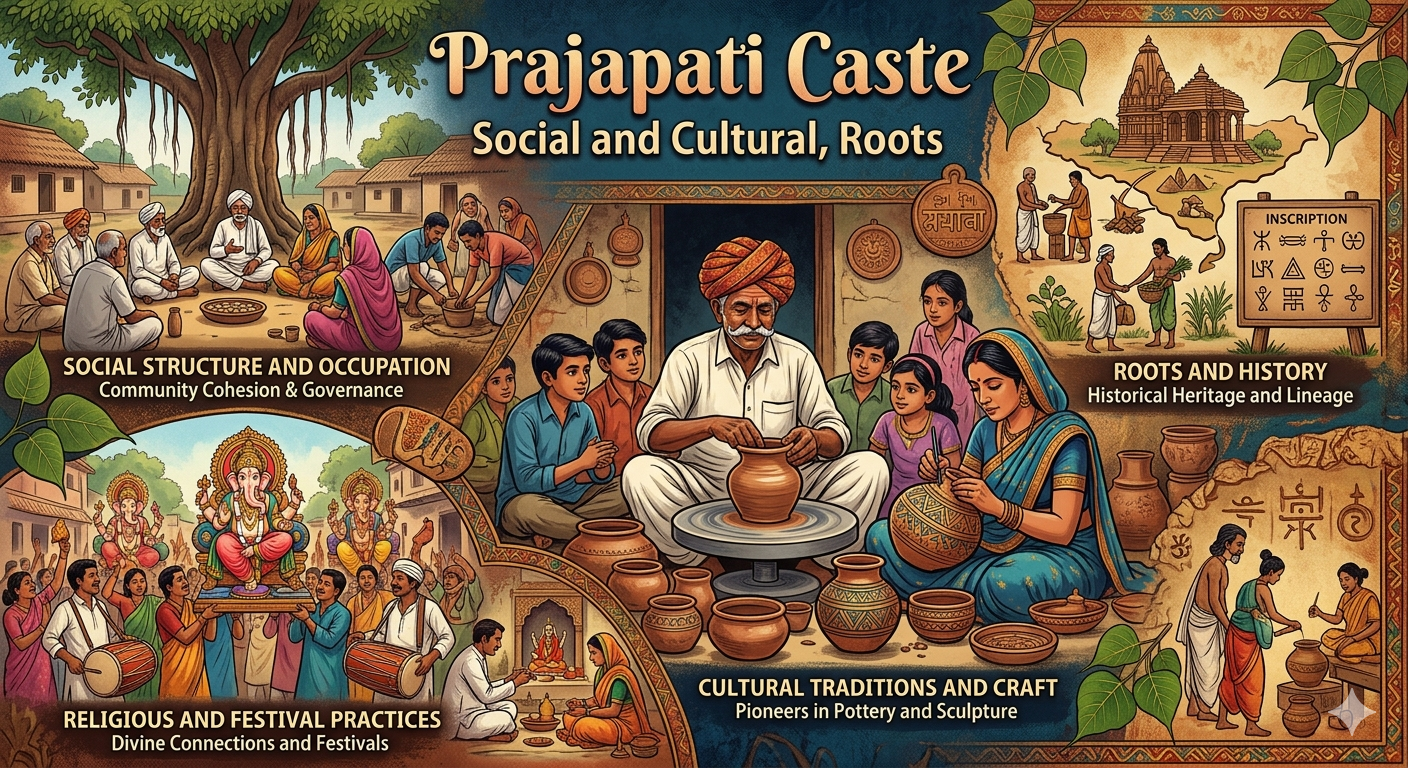
- Communities It is a community that has various occupational groups, such as Dhimar, Bind, Batham, Kewat, Kumhar, Mallah and Nishad.
- The geographical location:The community has been active across Uttar Pradesh, Haryana, Punjab, Himachal Pradesh, Odisha, Bihar, Rajasthan, Ladakh and Jammu and Kashmir.
Learn about the background of the Kashyap caste!
At first, Kashyap was one of the eight main Gotras from the Brahmin. Then, the Gotra was adopted by various clans as mentioned above.
- Creation
According to mythology According to the mythology, the Vedic Sage Rishi Kashyap, was son of the Lord Brahma along with the other 13 daughter of Daksha. His children included Gods, Demons, serpents and other animals, birds and even birds. One could say that God has the status of god for all species.
The role of culture and social!
- Initial occupation:
At first it was believed that the Kashyap community was involved in various jobs such as agricultural work, artisanal and fishing. However, with the advent of Sanskritisation and the spread of Sanskritisation, many have created a larger community by allowing more jobs.
- Political influence
In several states such as Bihar as well as Uttar Pradesh, the community is a major force in politics. Many organizations like All India Kashyap Rajput Mahasabha and Kashyap Ekta Kranti Mission represent the community. Furthermore, it enjoys advantages of reservation by reclassifying the community as a backward classes and scheduled castes.
- Culture influence
It is believed that the Kashmir Valley itself is named in honor of Rishi Kashyap, which demonstrates the mythological and geographic connections to Kashyap. Kashyap caste.
- Wedding customs:
It includes various regional rituals such as engagement ceremonies and other wedding ceremonies. In the ceremony of engagement it is when the Tilak and Ashirwad ceremony are held to confirm the marriage ahead of time.
The wedding rituals consist of Kanyadaan, Mangal Snan and Sangeet.
New times!
As time has passed The community has adjusted to modernity. The caste focuses on the Rajput heritage, while also balancing tradition of Brahmin heritage with Martial affiliations.
Professions:
The community has provided them with a sense of identity with education. They have a wide array of jobs, in addition to their usual job. With a focus on education and participation in the economy it is evident that there is a community all over the areas.
But, the community is putting all their efforts in preserving their rich traditions and heritage.
Conclusion!
In the final analysis it is the Kashyap caste of India is an ethnically diverse group closely associated with Kashyapa. Sage Kashyapa historicalally. They bridge the gap between mythology and the past and a contemporary political fact. In the end, they reflect the flexibility and adaptability of their apprehension of the Indian casting system.